
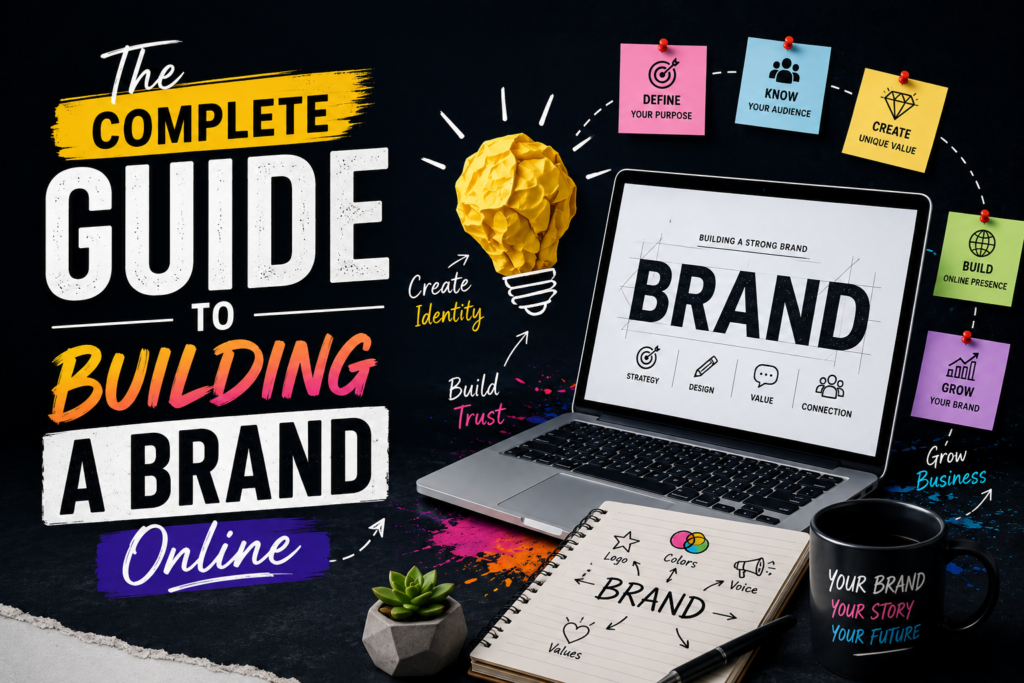
The Complete Guide to Building a Brand Online
In today’s digital-first world, having a great product or service is no longer enough to stand out from the competition. Consumers are constantly exposed to thousands of brands online, making it essential for businesses to create a strong and memorable identity. A well-built online brand helps you gain trust, attract customers, increase loyalty, and drive long-term business growth.
Whether you’re launching a startup, running a small business, or expanding an established company, building a brand online is one of the most valuable investments you can make. This guide will walk you through the essential steps to create a powerful online brand that connects with your audience and sets your business apart.
What is Online Branding?
Online branding is the process of creating and promoting a unique identity for your business across digital platforms. It involves everything from your logo and visual design to your messaging, website, social media presence, and customer experience.
Your brand is not just what you sell—it’s how people perceive your business. A strong brand communicates your values, personality, and promise to customers.
Successful online branding helps businesses:
Increase visibility Build trust and credibility Create customer loyalty Differentiate from competitors Drive more leads and sales
Step 1: Define Your Brand Purpose
Every successful brand starts with a clear purpose.
Ask yourself:
- Why does your business exist?
- What problem do you solve?
- What value do you provide to customers?
- What makes your business different?
Your purpose becomes the foundation of your brand and influences every decision you make.
For example, some brands focus on affordability, while others emphasize quality, innovation, or sustainability. Defining your purpose helps customers understand what your business stands for.
Step 2: Understand Your Target Audience
You can’t build an effective brand without knowing who you’re trying to reach.
Research your ideal customers and identify:
- Age group
- Gender
- Location
- Interests
- Challenges
- Buying behavior
- Online habits
Understanding your audience allows you to create messaging and content that resonates with them.
When your audience feels understood, they are more likely to trust and engage with your brand.
Understanding your audience allows you to create messaging and content that resonates with them.
When your audience feels understood, they are more likely to trust and engage with your brand.
Step 3: Create Your Brand Identity
Your brand identity is how your business visually presents itself online.
Key elements include:
Logo
Your logo is often the first thing people notice about your brand. It should be simple, memorable, and professional.
Color Palette
Colors influence emotions and perceptions. Choose colors that align with your brand personality.
For example:
- Blue represents trust and professionalism.
- Green symbolizes growth and sustainability.
- Black conveys luxury and sophistication.
- Yellow reflects energy and optimism.
Typography
Select fonts that match your brand’s personality and maintain consistency across all platforms.
Visual Style
Use consistent imagery, graphics, and design elements to create a recognizable brand appearance.
Consistency helps customers instantly identify your brand wherever they encounter it.
Step 4: Develop a Strong Brand Message
Your brand message communicates who you are and why customers should choose you.
This includes:
Brand Mission
A clear statement explaining your purpose and goals.
Brand Voice
Your tone of communication should remain consistent.
Examples:
- Professional and authoritative
- Friendly and approachable
- Creative and inspiring
- Bold and confident
Unique Value Proposition (UVP)
Your UVP explains what makes your business different from competitors.
Ask yourself:
“What unique benefit do customers receive from choosing my brand?”
A compelling message helps customers connect emotionally with your business.
Step 5: Build a Professional Website
Your website serves as the digital home of your brand.
A professional website should include:
- Modern design
- Mobile responsiveness
- Fast loading speed
- Easy navigation
- Clear calls-to-action
- Contact information
- About Us page
- Service or product pages
Your website should clearly communicate your brand identity and provide a seamless experience for visitors.
A well-designed website builds credibility and encourages conversions.
Step 6: Create Valuable Content
Content is one of the most effective ways to build authority and trust online.
Content marketing helps educate, inform, and engage your audience.
Popular content formats include:
- Blog posts
- Social media content
- Videos
- Infographics
- Email newsletters
- Case studies
Focus on solving your audience’s problems rather than constantly promoting your products.
Valuable content positions your brand as an expert in your industry.
Step 7: Establish a Strong Social Media Presence
Social media platforms provide excellent opportunities to connect with your audience and increase brand awareness.
Choose platforms where your target audience is most active.
Popular options include:
- YouTube
- TikTok
- X (Twitter)
To build a strong social media brand:
- Maintain consistent visuals
- Post regularly
- Engage with followers
- Share valuable content
- Respond to comments and messages
Social media helps humanize your brand and build meaningful relationships with customers.
Step 8: Optimize for Search Engines (SEO)
Search Engine Optimization (SEO) helps your brand appear when people search for relevant topics online.
Effective SEO strategies include:
- Keyword research
- Quality blog content
- Website optimization
- Internal linking
- Mobile-friendly design
- Fast page speed
When your website ranks higher on search engines, more people discover your brand organically.
Increased visibility leads to more traffic, leads, and sales opportunities.
Step 9: Build Trust Through Social Proof
People trust recommendations and reviews from other customers.
Social proof can significantly influence purchasing decisions.
Examples include:
- Customer testimonials
- Online reviews
- Case studies
- Client success stories
- User-generated content
Displaying positive feedback on your website and social media channels helps build credibility and confidence.
The more trust you establish, the easier it becomes to convert prospects into customers.
Step 10: Invest in Digital Advertising
Organic growth is valuable, but digital advertising can accelerate brand awareness.
Popular advertising platforms include:
- Google Ads
- Facebook Ads
- Instagram Ads
- LinkedIn Ads
- YouTube Ads
Digital advertising allows businesses to target specific audiences based on demographics, interests, and behavior.
Well-optimized campaigns can quickly increase visibility and attract qualified leads.
Step 11: Maintain Brand Consistency
One of the biggest mistakes businesses make is inconsistency.
Your logo, colors, messaging, tone, and overall experience should remain consistent across:
- Website
- Social media
- Email campaigns
- Advertisements
- Marketing materials
Consistency builds recognition and strengthens your brand identity.
Customers should have the same experience regardless of where they interact with your business.
Step 12: Monitor and Improve Your Brand
Building a brand is not a one-time task. It requires continuous improvement.
Regularly analyze:
- Website traffic
- Social media engagement
- Customer feedback
- Conversion rates
- Brand mentions
- Marketing performance
These insights help you understand what is working and where improvements are needed.
Successful brands adapt to changing customer needs and market trends.
Common Online Branding Mistakes to Avoid
Many businesses struggle with branding because they make avoidable mistakes.
Some common errors include:
- Inconsistent visual identity
- Unclear messaging
- Ignoring customer feedback
- Poor website experience
- Posting without a strategy
- Neglecting SEO
- Focusing only on selling
Avoiding these mistakes can significantly strengthen your brand’s online presence.
Conclusion
Building a brand online requires more than creating a logo or launching a website. It involves developing a clear purpose, understanding your audience, creating consistent messaging, producing valuable content, and building trust through meaningful customer experiences.
A strong online brand helps businesses stand out in competitive markets, attract loyal customers, and achieve sustainable growth. While branding takes time and effort, the long-term benefits make it one of the most valuable investments any business can make.
The most successful brands are those that remain authentic, consistent, and customer-focused. Start building your online brand today, and you’ll create a foundation for lasting business success in the digital world.
Ready to build a powerful online brand that customers remember and trust?
Our team specializes in branding and digital marketing strategies that help businesses stand out, connect with the right audience, and grow online. Whether you’re starting from scratch or looking to strengthen your existing brand, we’re here to help.
🚀 Visit our website today and let’s build a brand that drives real business growth.